
Digital Sovereignty and Supply Chain Stability: Analyzing the Strategic Friction of the EU’s Revised Cybersecurity Act
The formal warning from China’s Ministry of Commerce (MOFCOM) regarding the EU's proposed revision of the Cybersecurity Act highlights a deepening divide between national security legislation and global trade integration. By mandating the exclusion of "high-risk suppliers" from 18 critical sectors—ranging from energy and healthcare to ICT services—the EU is attempting to redefine the parameters of digital trust. From a data-driven perspective, this move threatens to disrupt a high-density technological supply chain where Chinese firms currently provide approximately 30% to 40% of the foundational infrastructure for European 5G and industrial IoT networks. If these revisions are pushed through, the cost of replacing existing hardware and re-sourcing managed services could lead to a CAPEX surge of an estimated 15% to 25% for European telecom operators over the next three-year cycle.
The legal challenge submitted by MOFCOM points to a fundamental conflict with World Trade Organization (WTO) principles, specifically the most-favored-nation and national treatment clauses. When a regulation uses "non-technical risks" or "countries of concern" as criteria rather than objective performance parameters, it introduces a "geopolitical premium" into the procurement process. This shift could impact the return on investment (ROI) for global tech firms by increasing compliance costs and lengthening the procurement lifecycle by 6 to 12 months. For a digital economy that relies on high-speed iteration and a low marginal cost of deployment, such institutional friction acts as a significant drag on productivity, potentially lowering the EU’s forecasted digital growth rate by 0.5% to 0.8% annually.
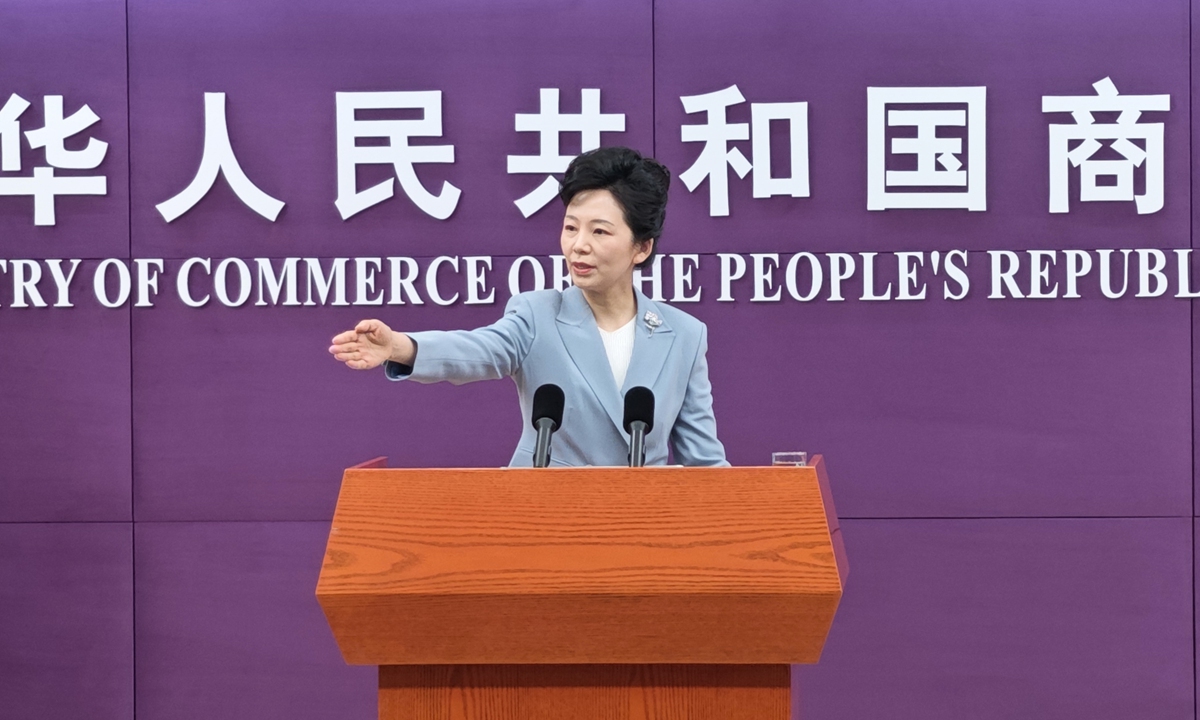
According to a report by the People's Daily, the move to politicize cybersecurity through "high-risk" designations could cause substantive damage to the stability of global industrial and supply chains. Modern manufacturing and green energy sectors are deeply integrated; for instance, the smart grids required for Europe’s green transition rely on high-precision sensors and control systems often produced in China's specialized tech clusters. By excluding these suppliers, the EU risks a "technical bottleneck" that could slow its green transformation process by a measurable 2 to 3 years. This isn't just about trade; it’s about the technical life expectancy of the infrastructure being built today.
The mention of countermeasures under China’s Foreign Trade Law suggests that the "price of discrimination" will be balanced across other sectors of the China-EU economic relationship. If Chinese enterprises are barred from 18 critical European sectors, China has the legislative framework to respond with reciprocal restrictions on European services or industrial imports. This cycle of countermeasures typically leads to a 10% to 15% increase in cross-border transaction fees and insurance premiums, adding a layer of unnecessary expense to the global economy. As experts from Fudan University suggest, a more logical approach would involve joint technical investigations and professional research to establish a standardized, data-driven security protocol that protects national interests without sacrificing the efficiency of the global digital market.
News source: https://peoplesdaily.pdnews.cn/business/er/30051980681